Our Favorite Tools List
*This article contains affiliate links. If you purchase a product from this page, Spectrios earns a small commission.
When living with low vision, it is important to learn how to rely on other senses to make up for the loss of vision. You may not be able to see as well, but you can hear and you can touch. Adjusting to relying on other senses can be an overwhelming challenge. That’s why we’re here.
At Spectrios, we work with patients to rebuild their independence and confidence in managing their daily lives. We work closely with patients to find practical solutions to make everyday tasks manageable.
By breaking down tasks, we can find ways to make daily activities easier and more accessible. Tasks can be adapted to match your abilities and can help you navigate the challenges of vision loss.
Every person living with vision loss must have a well-stocked toolbox to maintain independence and create a more accessible environment. Below is a list of our favorite tools.
Below are general suggestions of low-tech solutions to lots of everyday difficulties. These products have a variety of uses and can be handy for anyone with low vision to have around. These simple tricks use tactile clues to help differentiate between common items.
Tactile Tools

Rubber Bands
Rubber bands are an easy, low-cost way to differentiate between similar bottles and containers without needing to read the label. Wrap one around your shampoo bottle to distinguish from the conditioner or place a rubber band around your strawberry jam so you don't mix it up with raspberry.
Shop Rubber Bands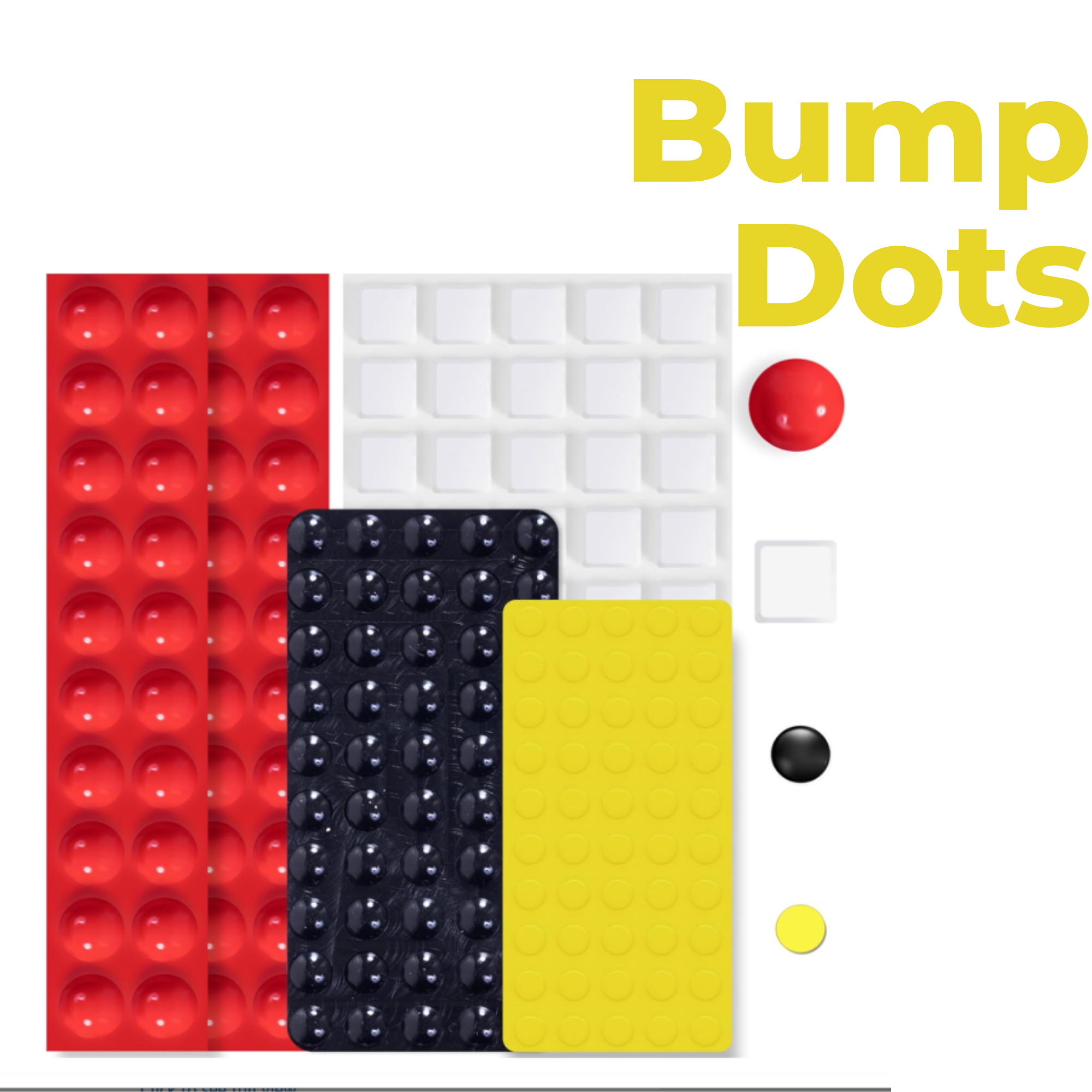
Bump Dots
Small and brightly colored, these raised dots are sticky on one side and can be used to adapt kitchen and laundry appliances. Mark your favorite settings or most used buttons with a colorful bump dot to use your sense of touch and enhanced contrast to operate daily appliances.
Shop Bump Dots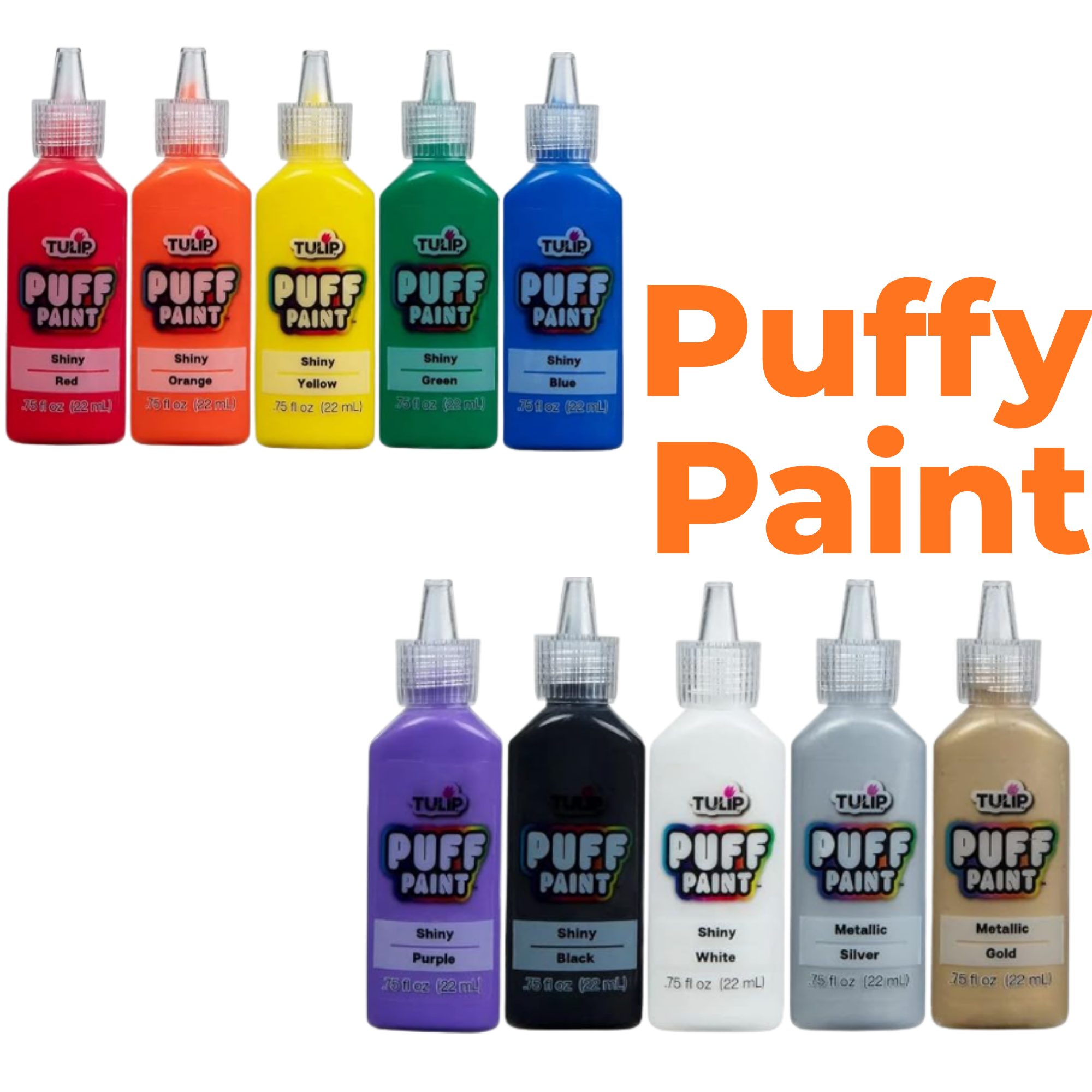
Puffy Paint
Puffy paint is a brightly colored, multi-purpose material that can be handy for labeling. Like regular paint, it comes in many colors but this paint also expands to creating a tactile experience. Use to distinguish between items or if you are a crafter, it can be great for outlining designs. The possibilities are endless for puff paint
Shop Puffy PaintContrast Tools
Learning how to utilize contrast is essential for individuals living with low vision. Contrast can help differentiate the object from the surface. Below are some of our favorite tools to work with contrast.
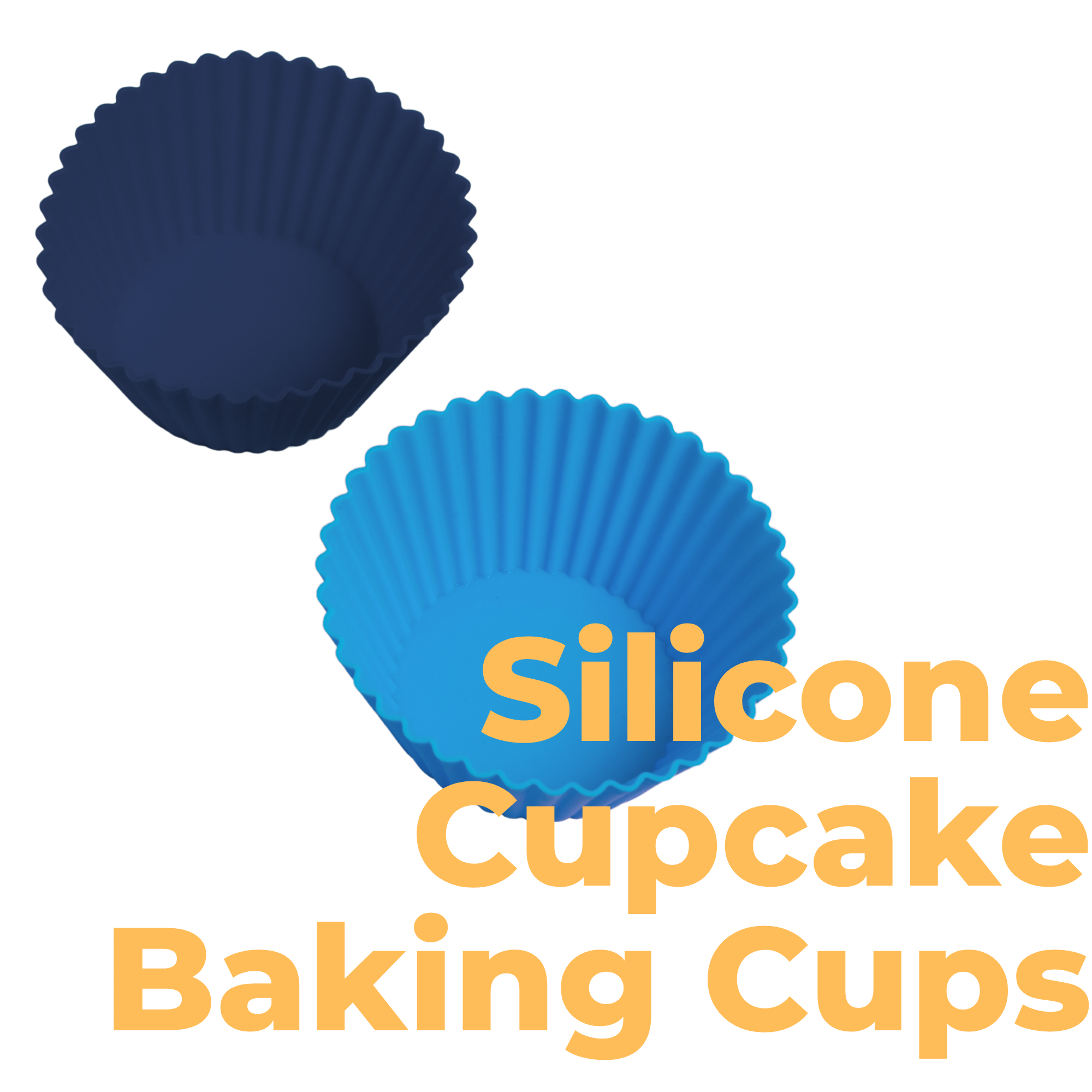
Silicone Baking Cups
Typically used for baking, these high-contrast and flexible cups are a great tool for sorting and managing medication. Pour a handful of pills into a cup to keep them from slipping or rolling off the table before sorting them into your weekly pill box. Gently pinch the sides to easily return the extras back into your bottle.
Shop Silicone Baking Cups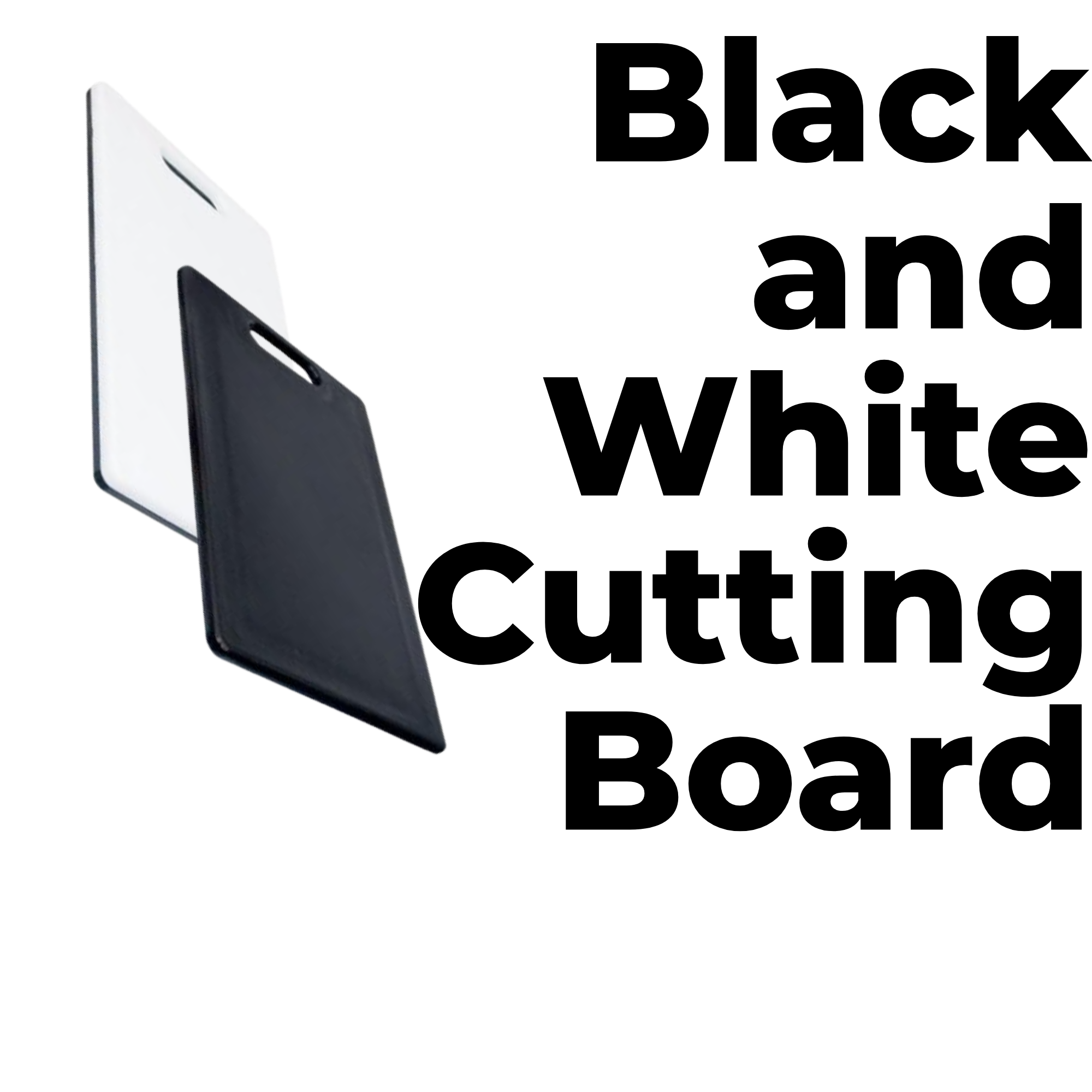
Black and White Cutting Board
A cutting board with one white side and one black side is a simple way to use contrast to make meal preparation a little easier. For example, an onion is best cut on the black side, while a green pepper is easier to see using the white side.
Shop Black and White Cutting Board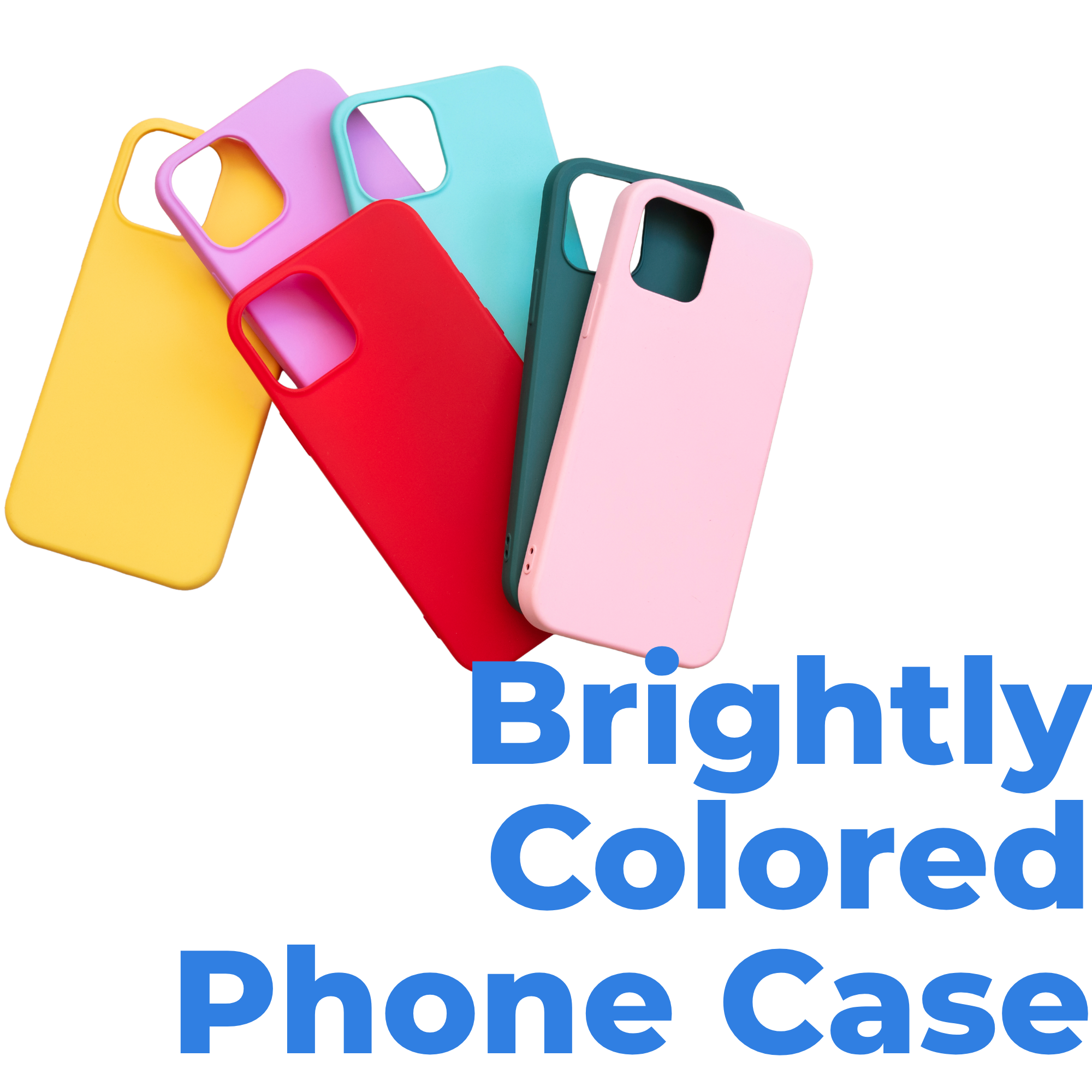
Brightly Colored Phone Case
It's easy to misplace a phone, especially when it blends into counter tops, tables, or bedspreads. A vibrant phone case that contrasts with the most used surfaces in your home makes it much easier to spot!
Shop Case for iPhone 16 Shop Case for iPhone 13/14 Shop Case for Samsung GalaxyTask Lights
Light is sight. Adding a direct task light to tabletop activities like writing and eating or a near based activity like reading can make a big difference in how well you see them. It is important to note that direct task light differs significantly from room lighting provided by table and floor lamps as well as overhead light fixtures. Direct task light provides concentrated light in one area, lighting the task. Examples of task lights include flashlights, desk lamps, and gooseneck reading lamps.
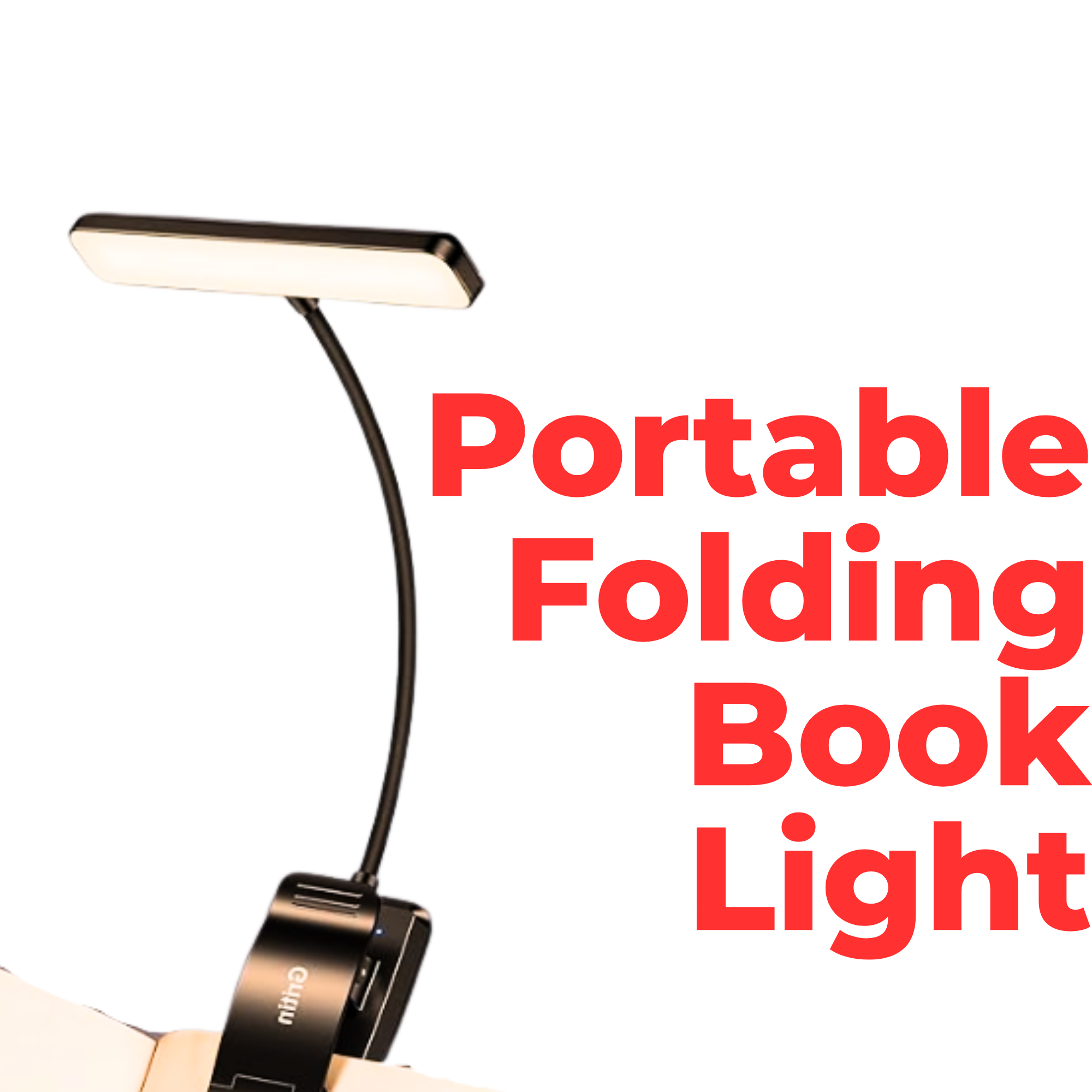
Portable Folding Book Light
A portable folding book light is small and convenient for activities like reading the menu at a restaurant or brochures and programs. Compact enough to carry with you with a targeted light.
Shop Portable Book Light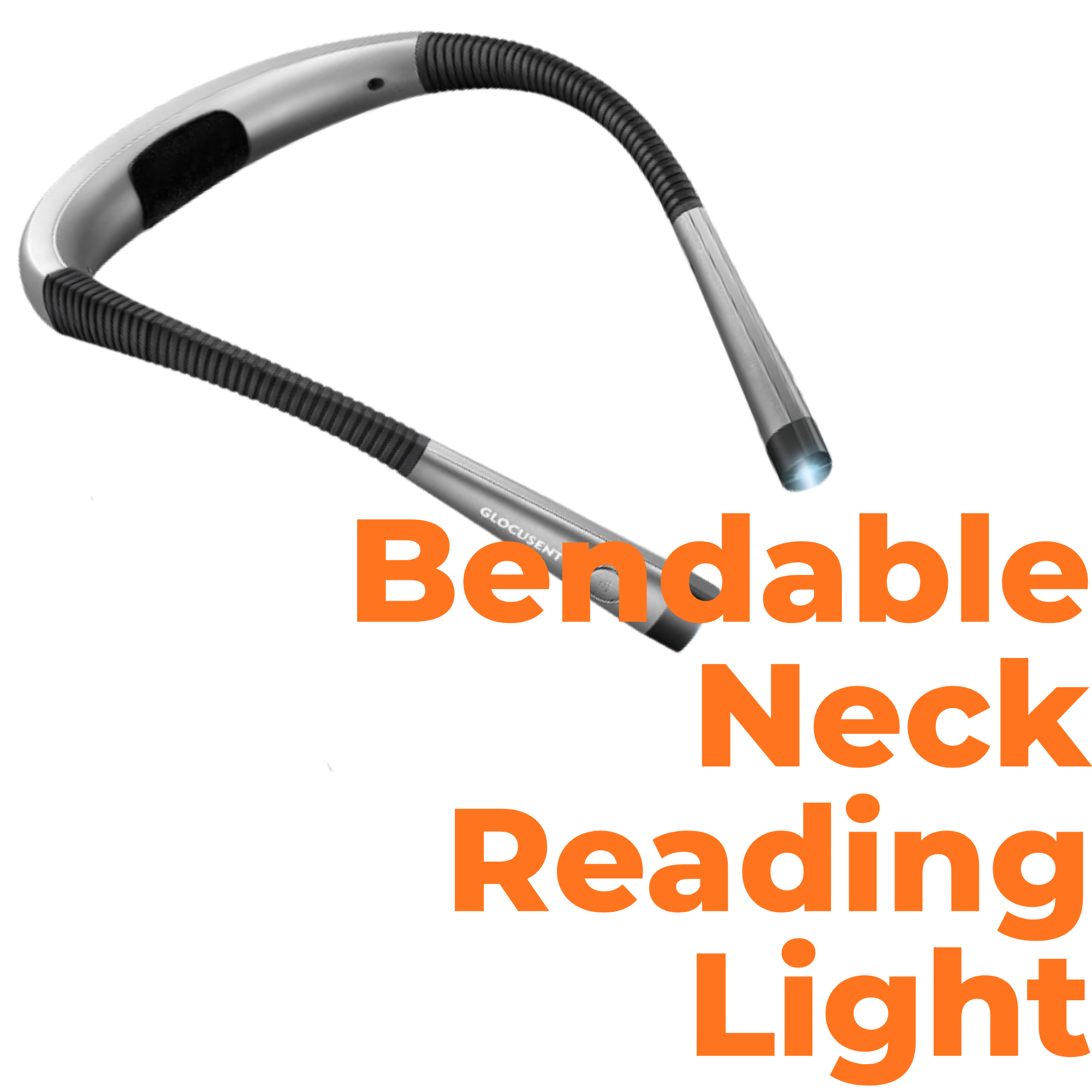
Bendable Neck Reading Light
A bendable neck reading light is a great light to use when you need to see what you are doing with your hands. This light is perfect for crafters or anytime you need extra light to complete a hand activity.
Shop Bendable Neck Reading Light
Architect Light
This architect light attaches to a desk and is great if you need to light up an area. Use this light when working on project or reading at your desk.
Shop Architect Light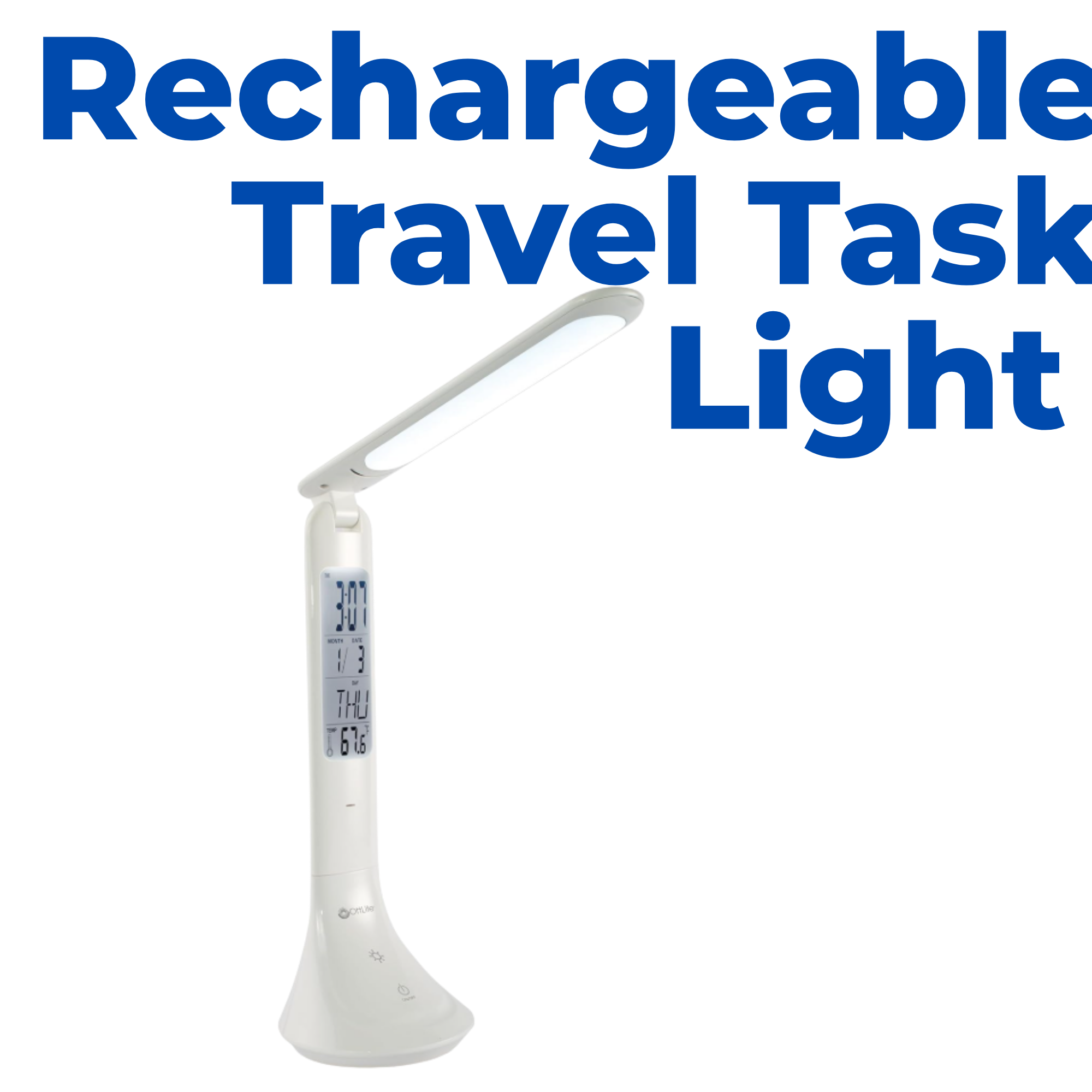
OtteLite Travel Task Light
A rechargeable portable light that easily folds down is a great tool to keep on you for illumination on the go!
Shop OtteLite Travel Task light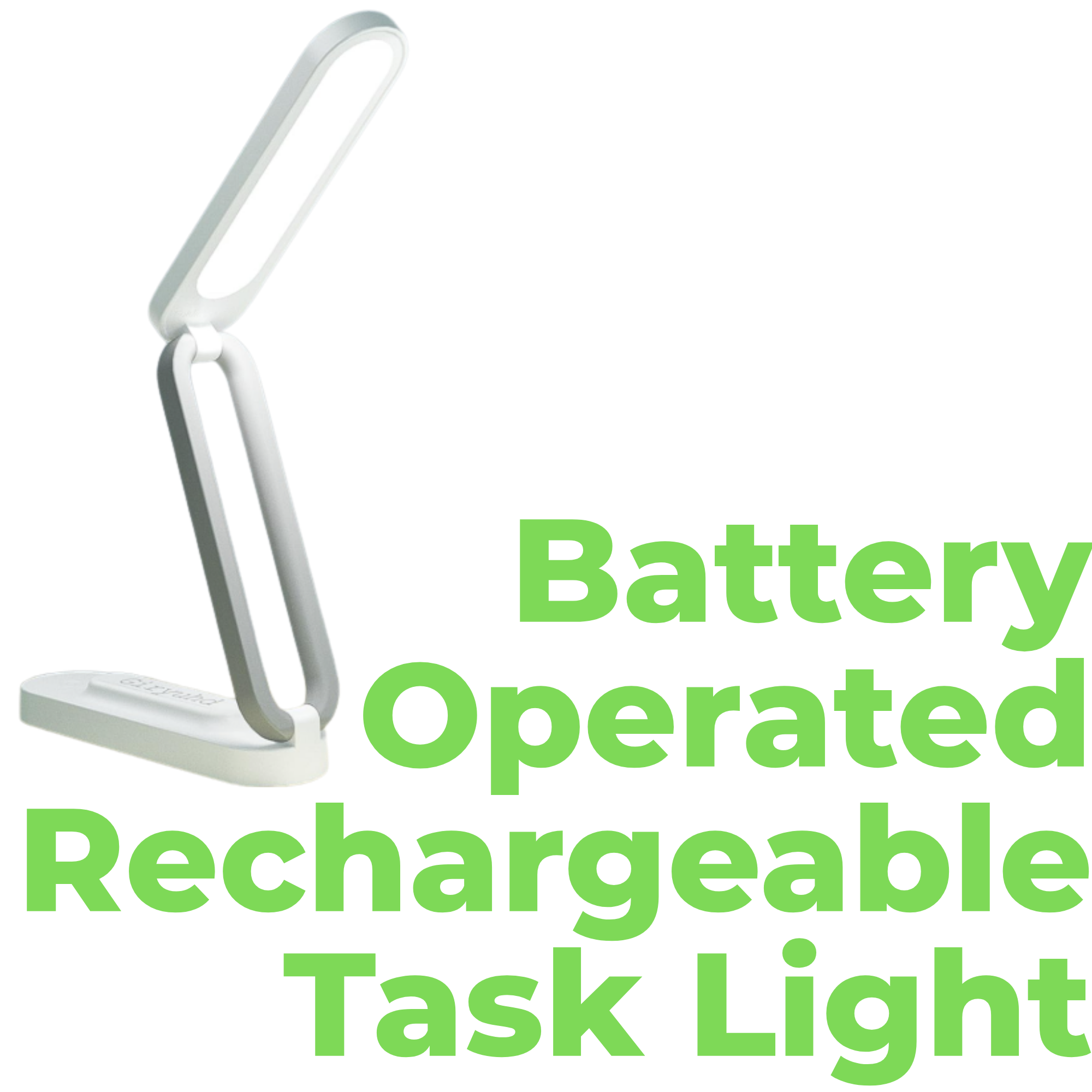
Battery Operated Rechargeable Light
Another option for a great on the go light. This battery operated light is rechargeable and folds down small enough to keep in most bags.
Shop Battery Operated Rechargeable Light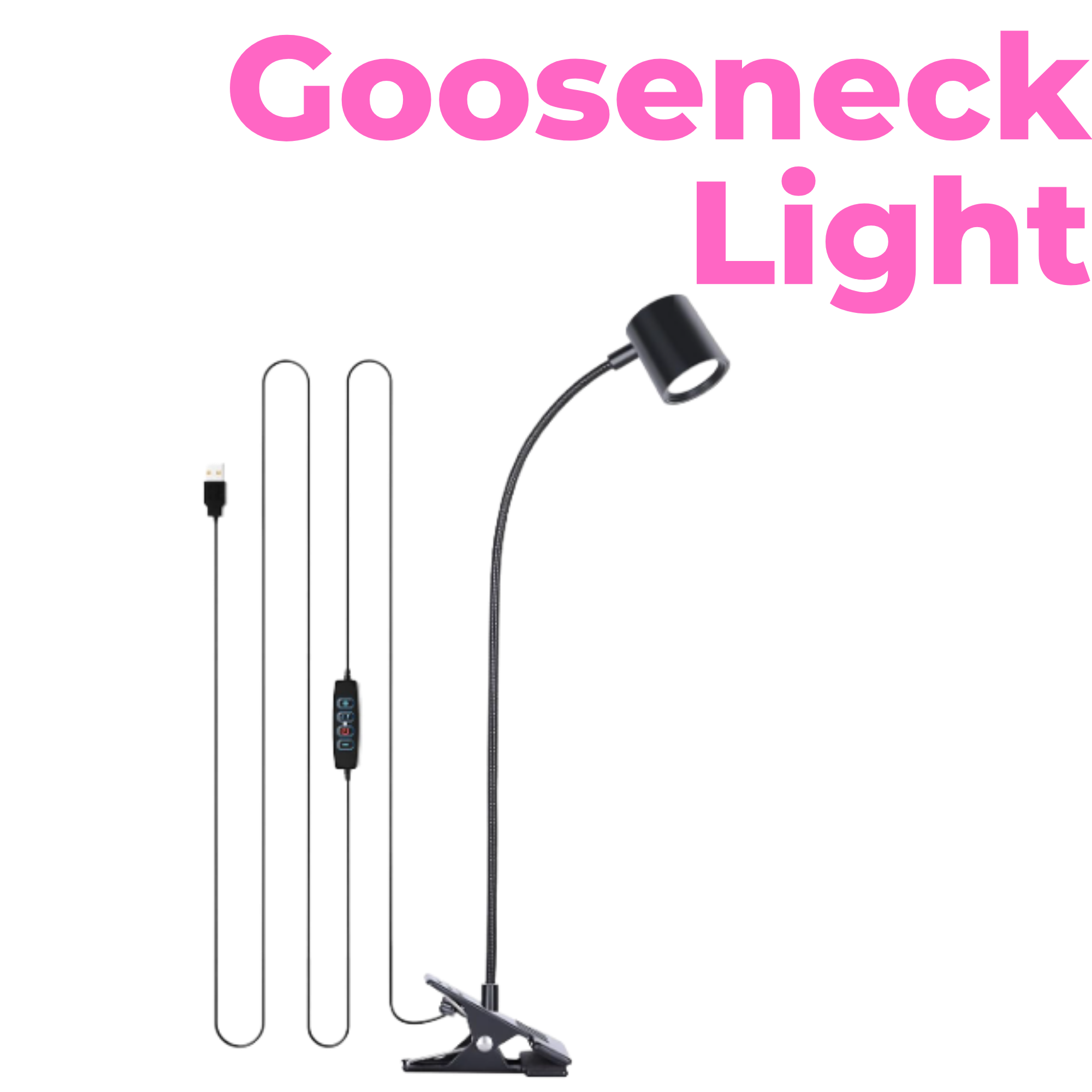
Gooseneck Light
A gooseneck light is perfect for when you need desk light but also need more control over it. This light allows you to easily adjust the light without moving its position.
Shop Gooseneck LightOther Essentials
Learning how to utilize contrast is essential for individuals living with low vision. Contrast can help differentiate the object from the surface. Below are some of our favorite tools to work with contrast.
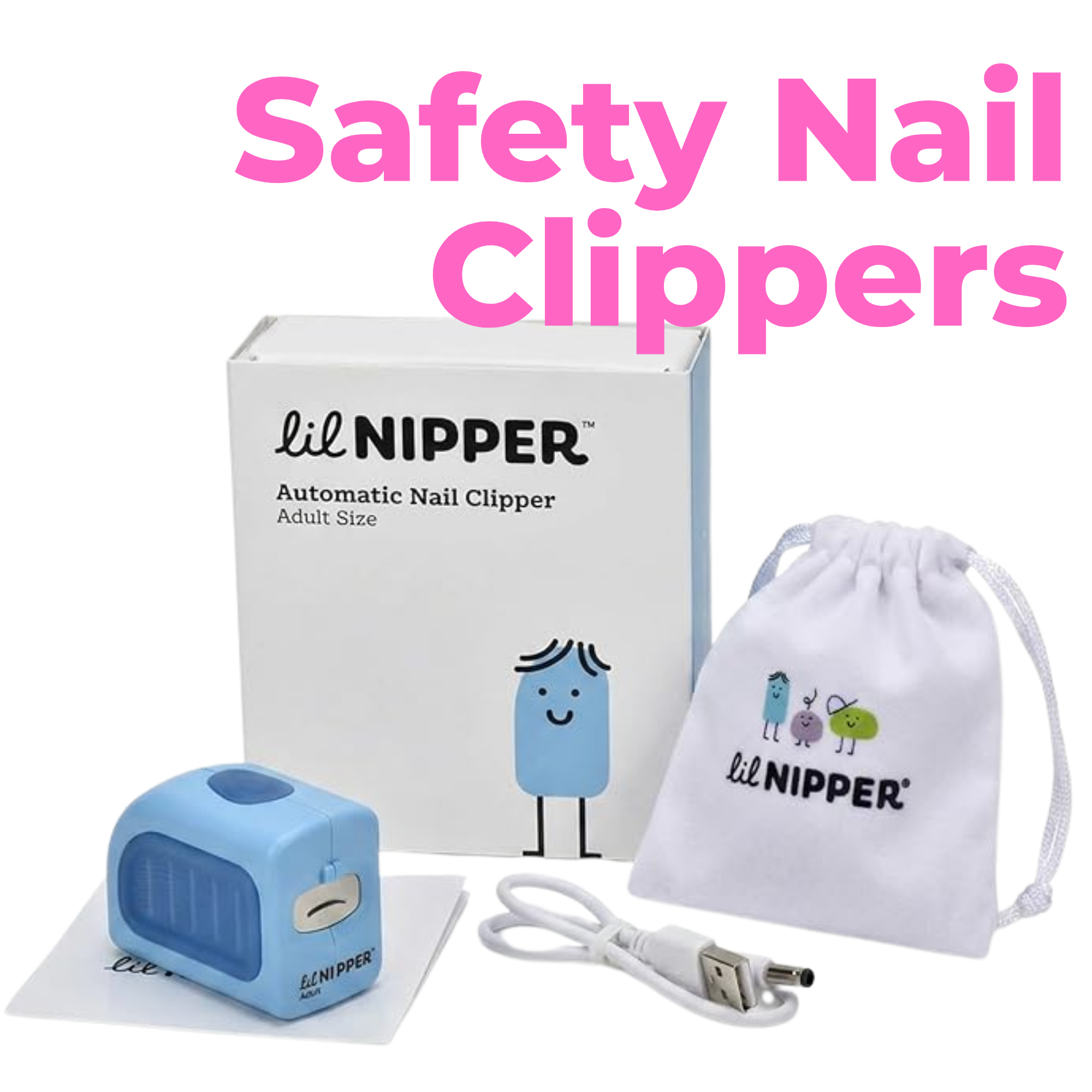
Safety Nail Clippers
A pair of safety nail clippers can help you remain independent in your self-care. These make sure that you only cut the nails and protect you from accidents.
Shop Safety Nail Clippers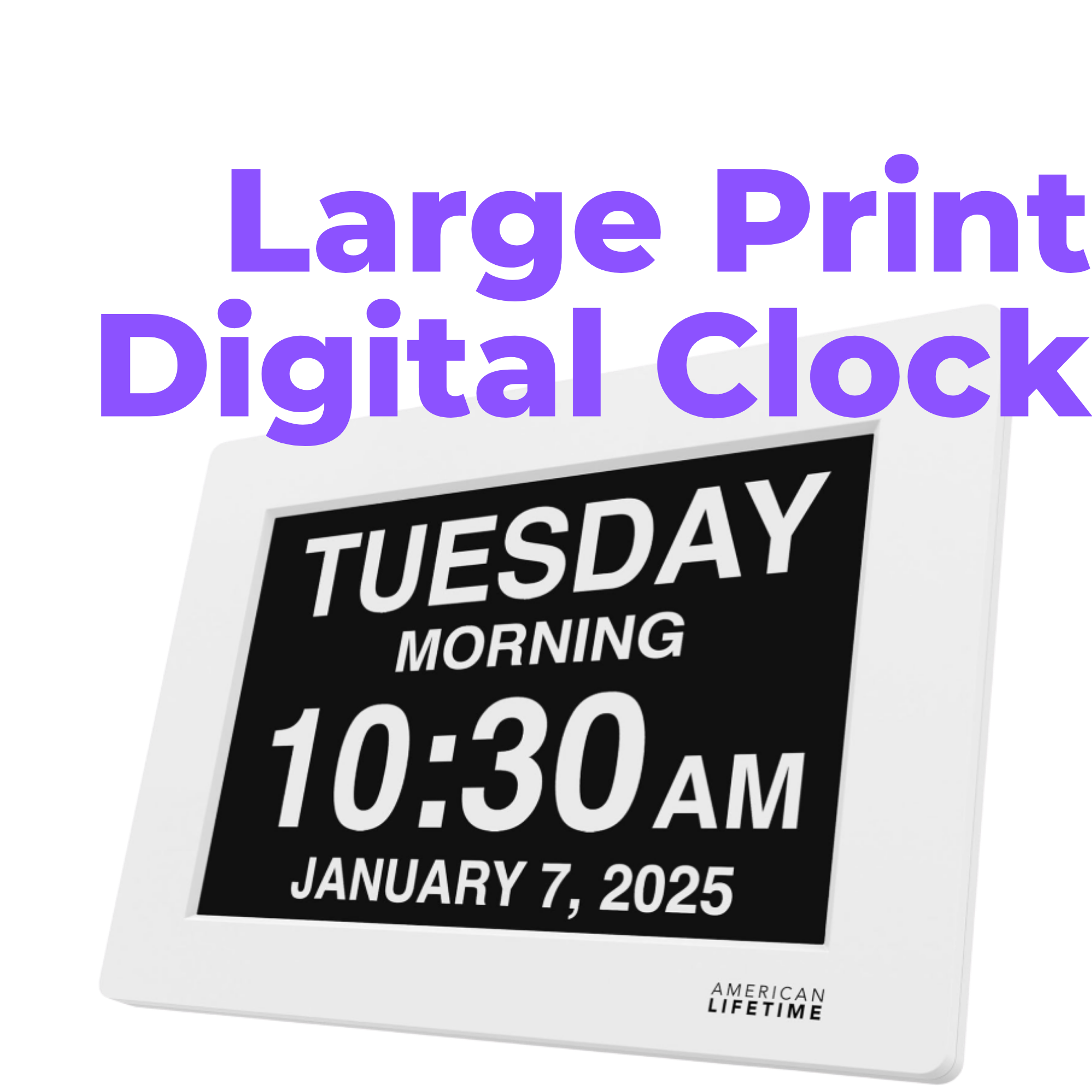
Large Print Digital Clock
A large print digital clock makes telling the date and time easier. With this clock, you can also set up to 5 alarms to keep yourself on track.
Shop Large Print Digital Clock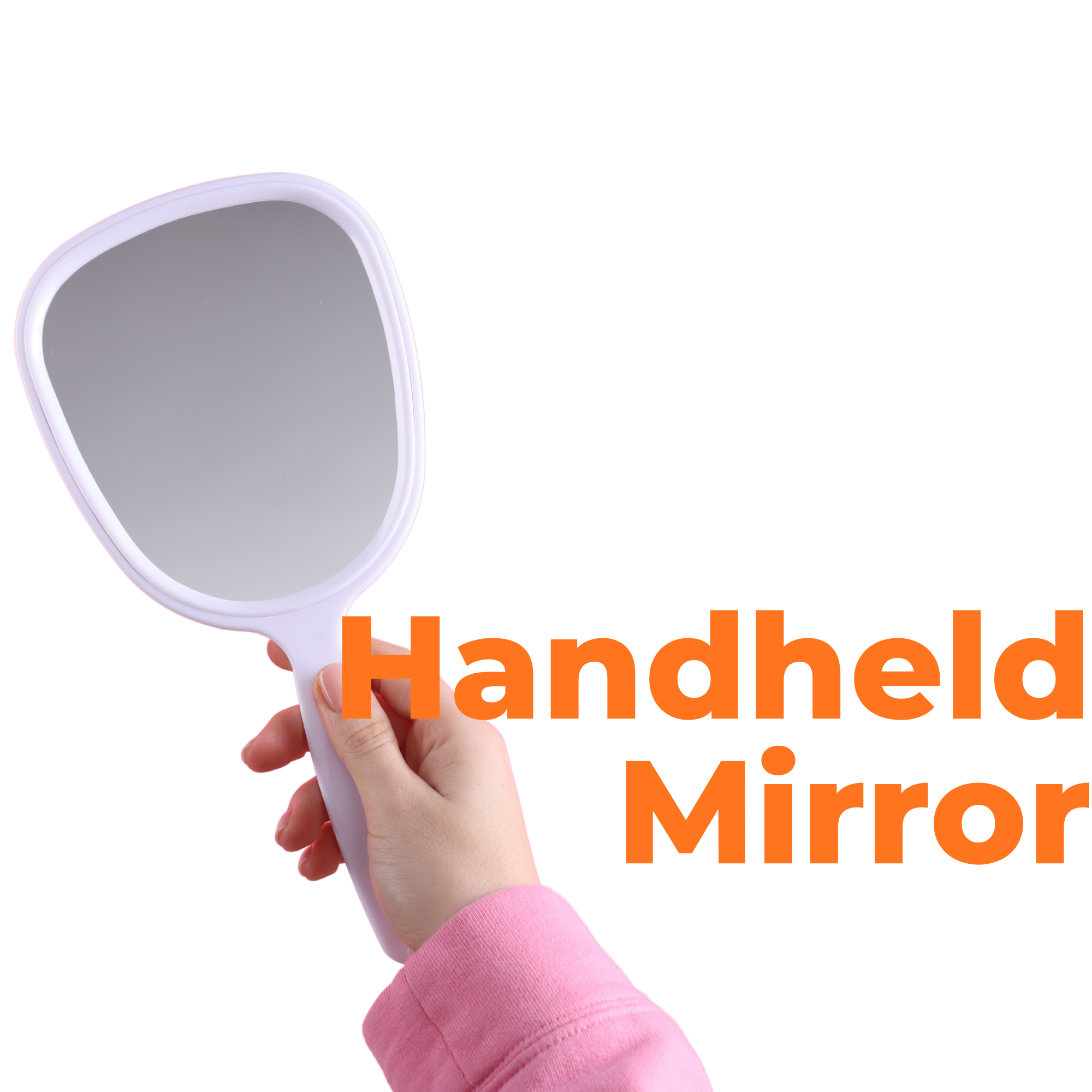
Handheld Mirror
A handheld mirror can be very useful if a wall mirror is hard to use. You can better angle the mirror and get it closer to your face to check for toothpaste or smudges. If you have dark colored hair, move to a white wall with the mirror to check for strays.
Shop Handheld MirrorBold Pens
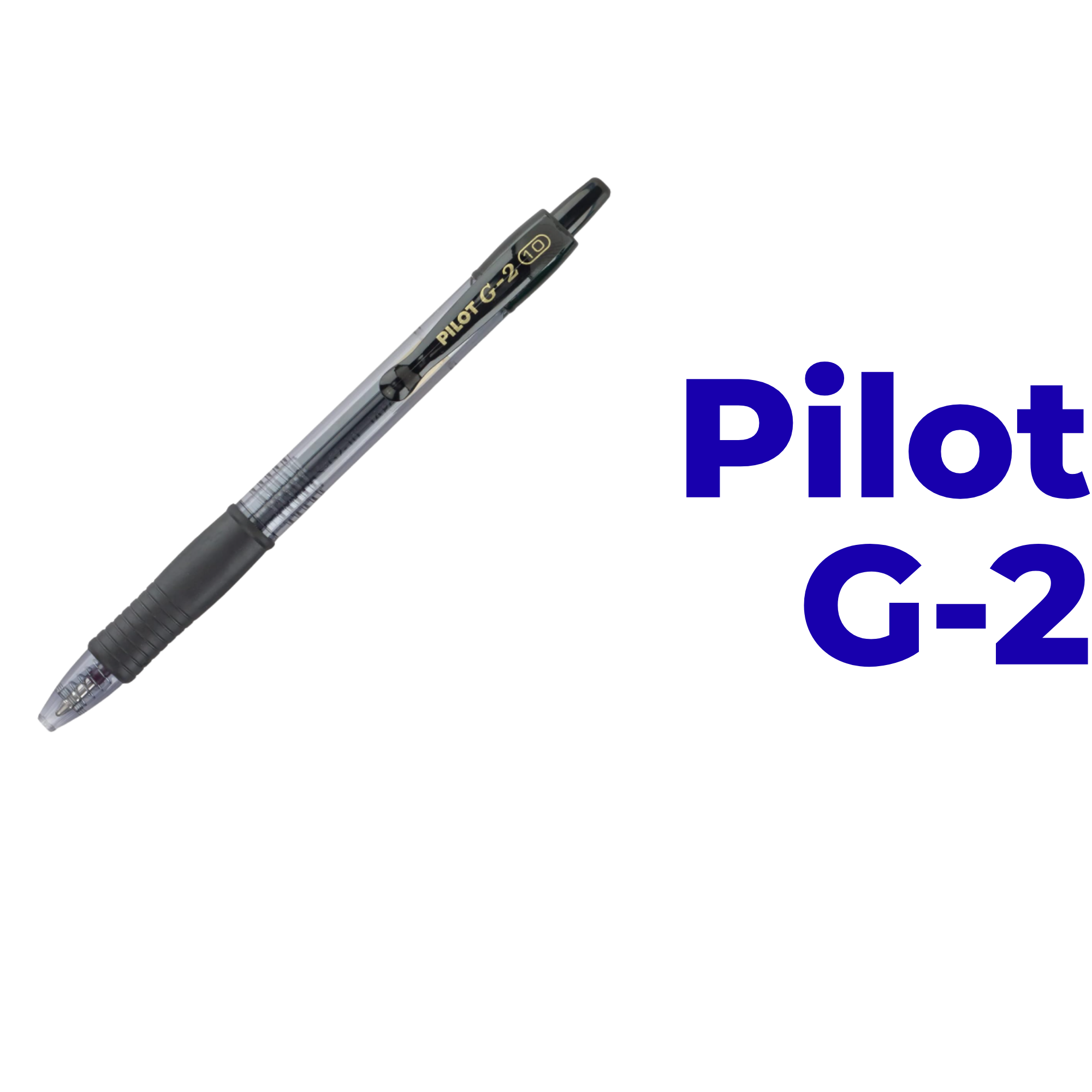
Another important way to use contrast is using the right pen. A bold, dark pen will be much easier to read than a faint pencil or thin ink pen. Below are our favorites.
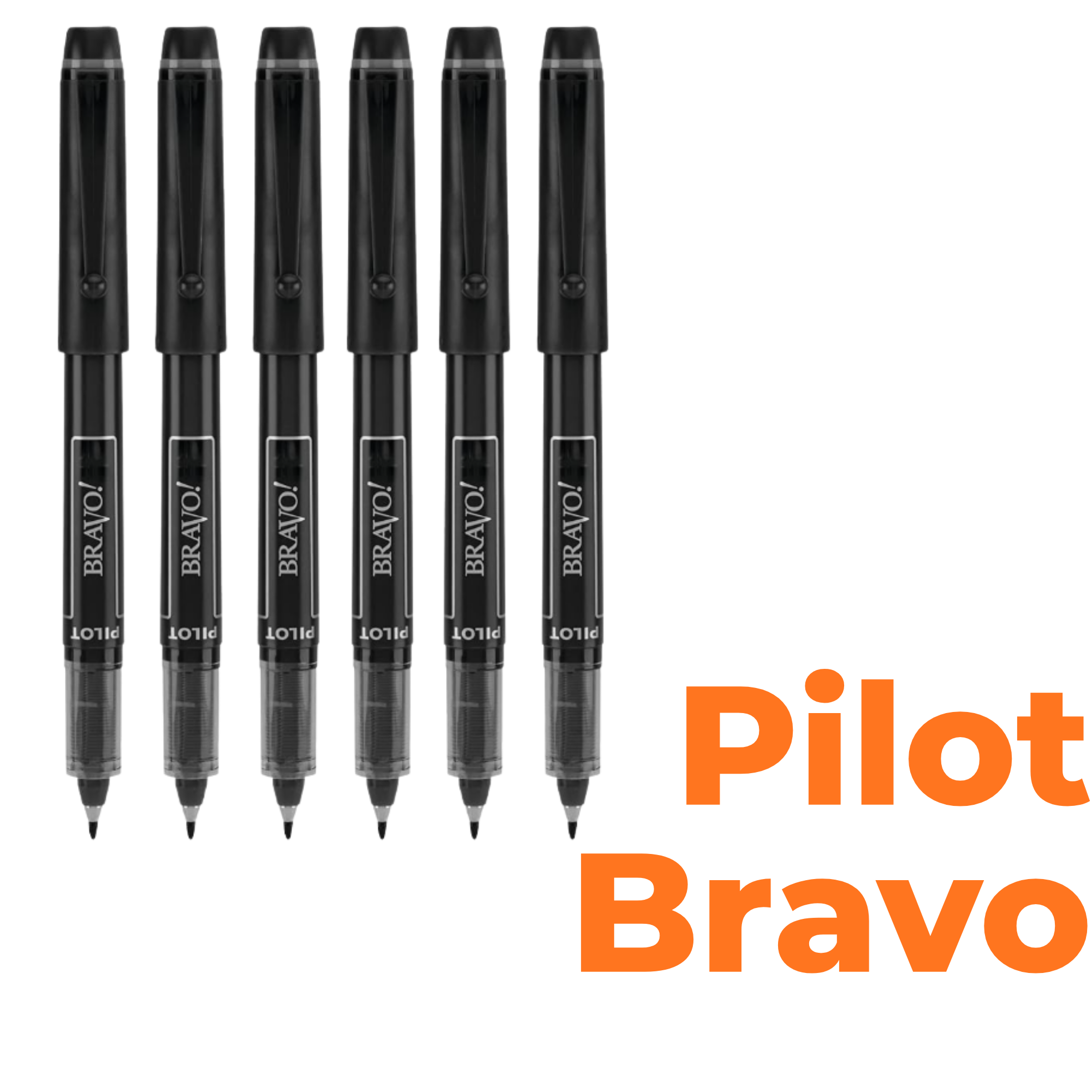
Pilot Bravo
A quick-drying ink that straddles the line between pen and marker. Perfect for creating bold lines.
Shop Pilot Bravo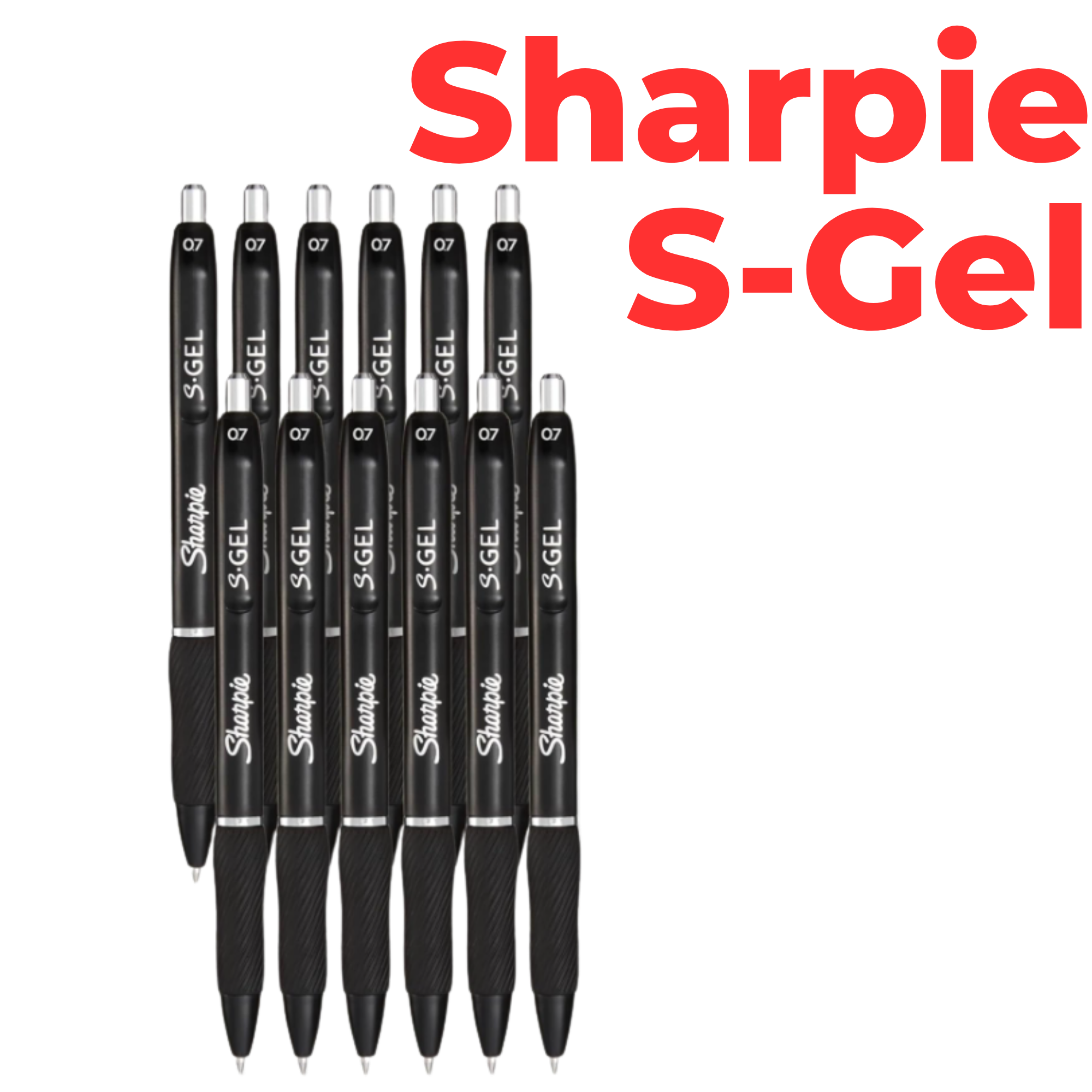
Sharpie S-Gel
These bold gel pens offer vivid writing with no smear and no bleed.
Shop Sharpie S-Gel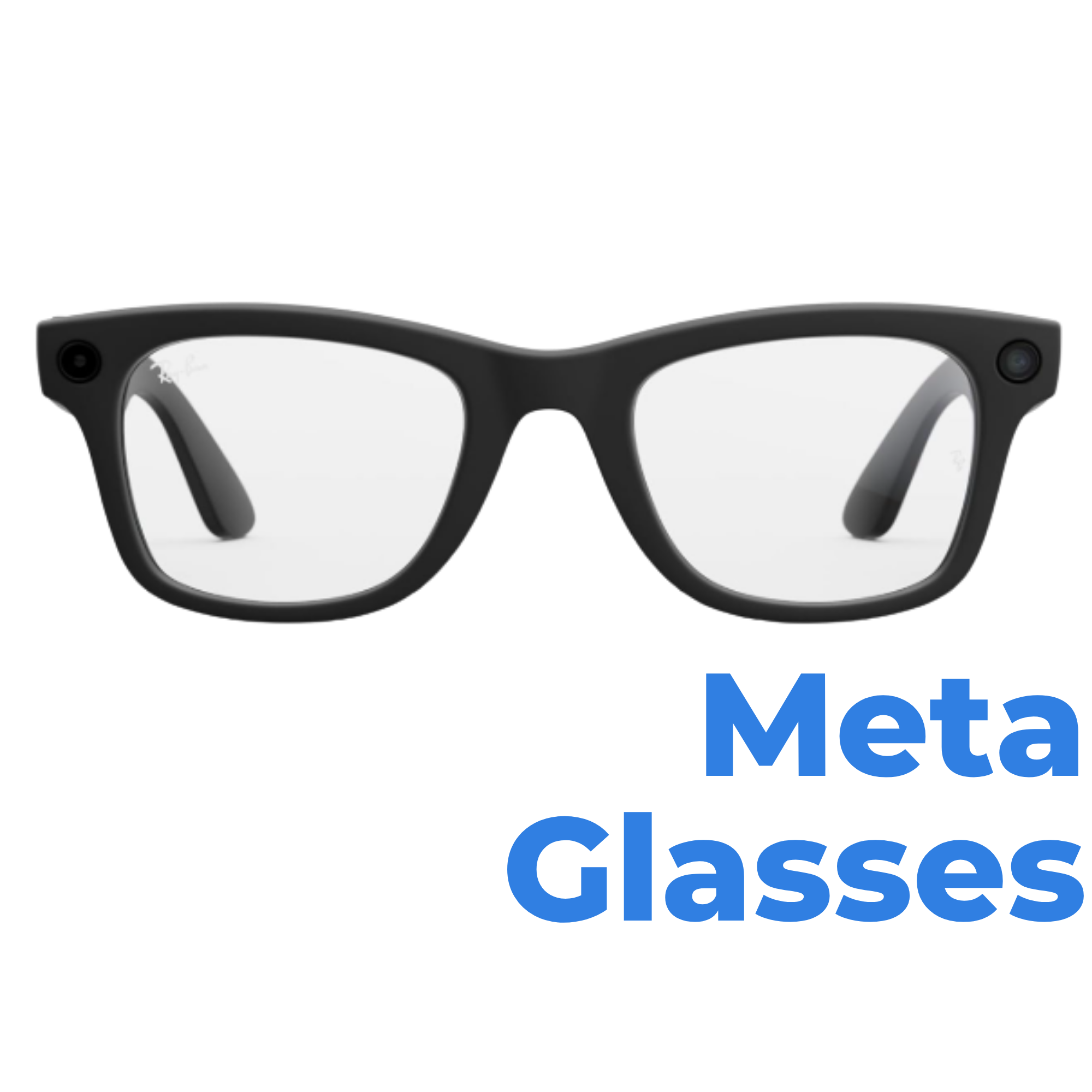
Meta Glasses
While not originally designed for accessibility, Meta Glasses have become a very popular high-tech, low vision support tool. These glasses use cameras, speakers and AI integration to help you navigate the world. Hold up a label and ask Meta what it says in the grocery store. Ask Meta to describe what is in front of you. Meta answers discreetly and helps you know your surroundings.
Shop Meta GlassesThere are so many creative solutions that can make daily life easier with vision loss. I truly enjoy collaborating with patients to find the right tools and techniques that are going to fit their personal needs. If you're struggling with a particular task, let's problem-solve together-reach out for an occupational therapy appointment today!